
Why Mental Health Symptoms Sometimes Return
Understand why symptoms can return, when to seek support, and how ongoing care can protect the progress you have made.

Panic Attacks Explained: Why They Feel Dangerous Even When You’re Safe
Panic attacks can feel dangerous because the body's real survival system activates even when no immediate threat is present.

Why We Replay Embarrassing Moments for Years
Why embarrassing memories can linger for years: social-threat processing, emotional memory consolidation, and rumination can make a small moment feel much larger than it was.
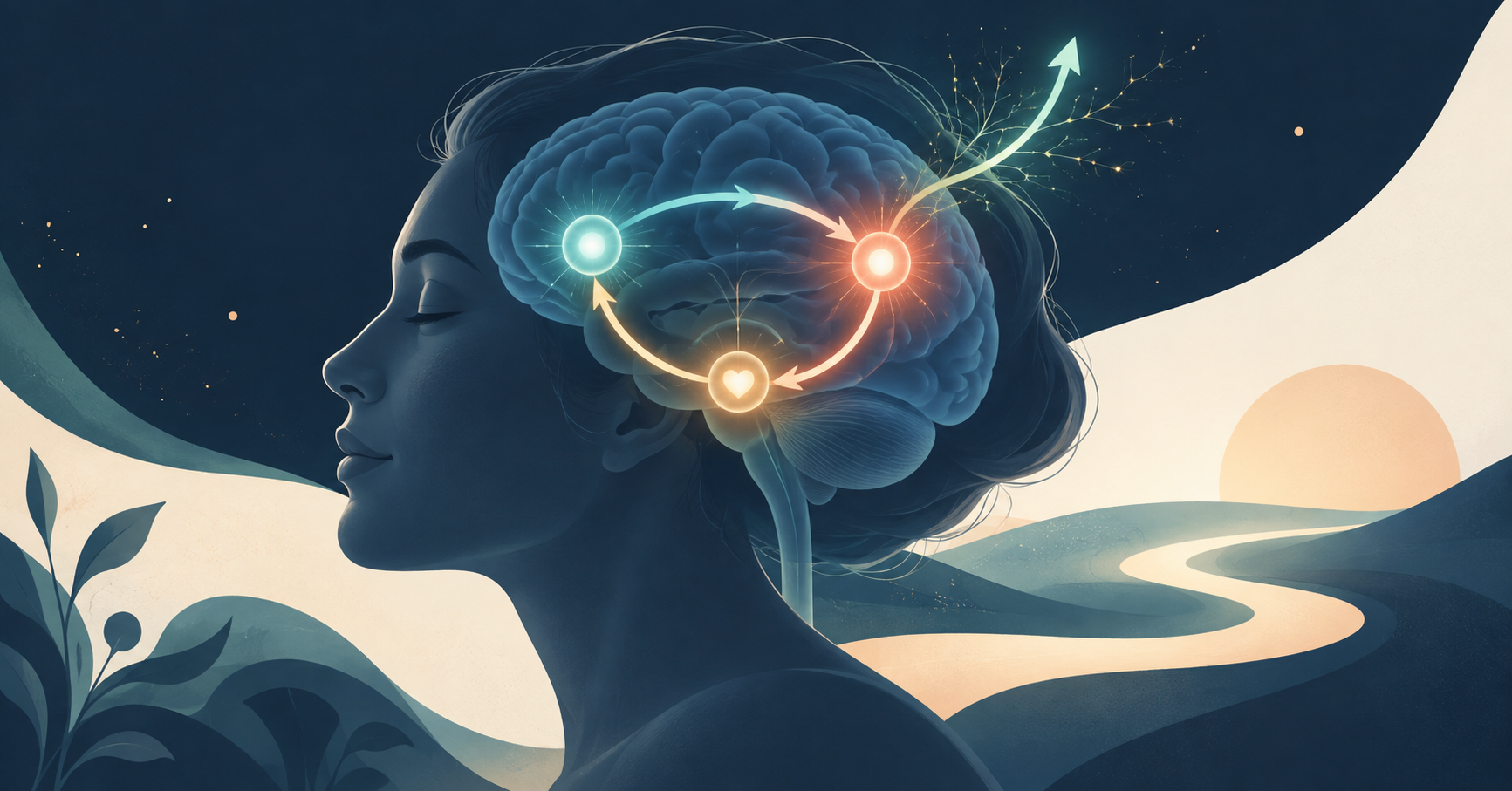
Why Change Feels So Difficult: How the Brain Forms and Breaks Habits
Habit loops, dopamine, and neuroplasticity explain why familiar behavior can be hard to change—and why small, repeated steps make lasting change possible.

Emotional Contagion: How the People Around You Influence Your Mental Health
Emotional contagion explores how people around you shape your mood, stress, and well-being—and how healthy boundaries can protect your mental health.

How Hope Changes the Brain: The Neuroscience of Recovery and Resilience
The brain continues adapting throughout life. Neuroplasticity helps explain how therapy, new experiences, and repeated healthy patterns can support resilience and meaningful mental health recovery.

Decision Paralysis: Why Too Many Choices Leave You Feeling Stuck
Too many choices can overwhelm the brain, especially when perfectionism and fear of making the wrong decision are involved. Understanding the cycle can make it easier to move forward.

When Your Body Says “Enough”: Recognizing the Early Warning Signs of Chronic Stress
Chronic stress often develops quietly. Recognizing changes in sleep, energy, mood, and concentration can help you address the problem before it becomes burnout.

The Science of Self-Compassion: Why Being Kinder to Yourself Improves Mental Health
Self-compassion isn't about lowering your standards. It's about learning to face mistakes and difficult emotions without turning them into judgments about your worth.

The Hidden Cost of Perfectionism: When High Standards Become Emotional Burdens
Perfectionism isn't about doing your best—it's about believing your best is never enough. Over time, that mindset can quietly affect confidence, productivity, and emotional well-being.

Why Your Brain Keeps Expecting the Worst (Understanding Catastrophic Thinking)
Catastrophic thinking is the brain's tendency to treat unlikely worst-case scenarios as probable outcomes. Understanding why this happens is the first step toward breaking the cycle of chronic worry.

Why Some People Struggle to Relax: The Brain After Chronic Stress
After prolonged stress, the brain can become so accustomed to staying alert that relaxation begins to feel unfamiliar instead of comforting.

Rejection Sensitivity: Why Some People Feel Criticism So Deeply
Rejection sensitivity is more than being emotionally sensitive—it reflects how the brain processes social threats, criticism, and the need for acceptance

The “Freeze” Response: Why Some People Shut Down Under Stress
When stress overwhelms the nervous system, the brain may respond by freezing instead of fighting or fleeing. Understanding this response is the first step toward recovery.

Mental Exhaustion vs. Physical Fatigue: Why Your Brain Feels Drained
Mental exhaustion isn't simply being tired—it's what happens when the brain carries more cognitive and emotional demands than it can effectively recover from.

The Psychology of Avoidance: Why We Delay the Things That Stress Us Most
Procrastination isn't always about poor time management—it’s often the brain choosing temporary relief over short-term discomfort.

Anxiety and the Need for Control: Why Uncertainty Feels So Uncomfortable
Anxiety isn't always fear of what will happen—sometimes it's fear of not knowing what will happen.

Why Your Mind Feels Busy at Night: The Neuroscience of Racing Thoughts
When the world gets quiet, unresolved thoughts often become louder. Understanding why can be the first step toward better sleep and a calmer mind.

Why Motivation Disappears During Depression and Burnout
Motivation isn’t just about discipline — depression and burnout can change how the brain processes effort, reward, and energy.

Emotional Numbness: Why Some People Feel “Nothing” During Depression
Depression does not always feel like sadness — sometimes it feels like losing access to emotion itself.