

Bipolar Disorder: Finding Balance in a World of Highs and Lows

At Peacefulness Mental Health Clinic, we help individuals living with bipolar disorder understand their condition and regain stability. Bipolar disorder is not simply moodiness or emotional extremes — it is a brain-based mood disorder with well-documented biological causes and highly effective treatments.
With proper care, people with bipolar disorder can lead stable, productive, and fulfilling lives.
What Is Bipolar Disorder?
Bipolar disorder is characterized by shifts in mood, energy, and activity levels that are significantly different from a person’s usual state. These shifts can interfere with work, relationships, sleep, and decision-making.
There are different forms of bipolar disorder, including:
Bipolar I Disorder: Episodes of mania and often major depression
Bipolar II Disorder: Hypomania and major depressive episodes
Cyclothymic Disorder: Chronic, milder mood fluctuations
Mood episodes are not choices — they are driven by changes in how the brain regulates emotion and energy.
Understanding Manic and Depressive Episodes
Manic or Hypomanic Episodes
During mania or hypomania, individuals may experience:
Racing thoughts or pressured speech
Reduced need for sleep
Increased energy or confidence
Impulsive spending or risky behavior
Heightened irritability or agitation
While hypomania may initially feel productive or creative, it often leads to burnout, conflict, or poor judgment.
Depressive Episodes
Depressive phases resemble major depression and may involve:
Persistent sadness or emptiness
Fatigue or slowed thinking
Loss of interest in daily activities
Difficulty concentrating
Feelings of hopelessness or guilt
The contrast between high and low states can be confusing and emotionally exhausting.
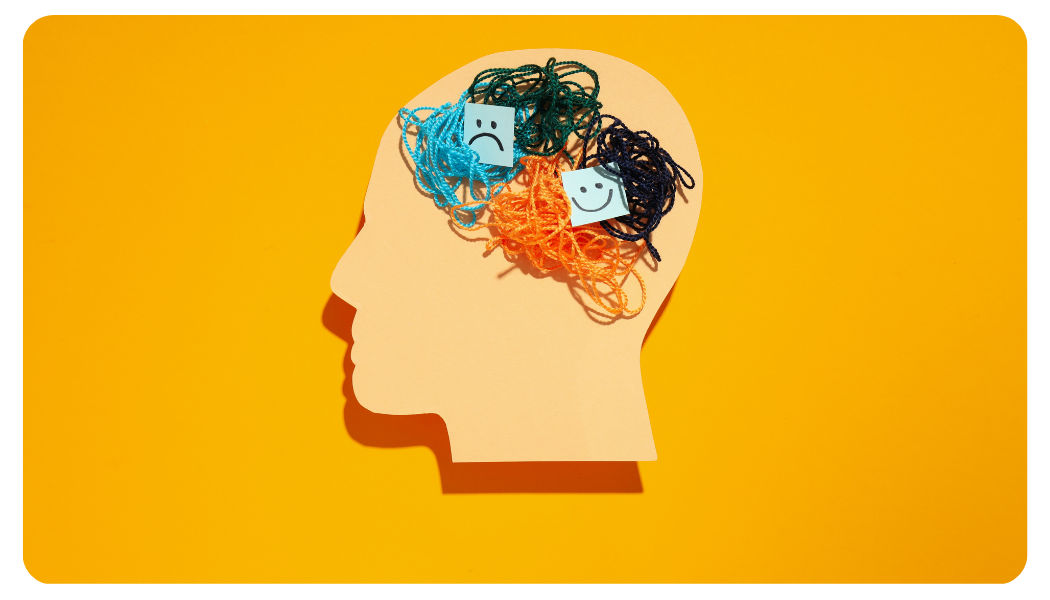
The Brain Science Behind Bipolar Disorder
Bipolar disorder involves dysregulation of mood circuits in the brain. Neuroimaging studies show differences in activity between the prefrontal cortex, limbic system, and amygdala, affecting emotional regulation and impulse control.
Other research highlights:
Neurotransmitter imbalance: Dopamine and serotonin fluctuations contribute to mood shifts.
Circadian rhythm disruption: Internal “biological clocks” are often unstable, affecting sleep and mood.
Strong genetic component: Bipolar disorder is highly heritable, with family history increasing risk.
These biological factors explain why bipolar disorder requires specialized, long-term management rather than short-term fixes.

How Treatment Restores Balance
Mood Stabilizing Medications
Mood stabilizers such as lithium and other evidence-based medications help prevent extreme mood swings by regulating neuronal signaling. Long-term studies show lithium significantly reduces relapse risk and improves overall functioning.
Atypical antipsychotic medications may also be used to manage acute manic symptoms and stabilize mood. Medication is the foundation of bipolar treatment and is carefully monitored for effectiveness and safety.
Psychotherapy for Insight and Stability
Therapies such as Cognitive Behavioral Therapy (CBT) and psychoeducation help patients:
Recognize early warning signs of mood shifts
Maintain structured routines
Improve medication adherence
Manage stress effectively
Research shows that patients who combine medication with therapy experience fewer relapses and hospitalizations than those using medication alone.
Sleep and Routine Management
Stable sleep-wake cycles are essential for mood regulation. Even small disruptions in sleep can trigger mood episodes. Treatment often includes:
Sleep hygiene education
Structured daily routines
Stress-reduction strategies
These interventions support the brain’s natural rhythm and enhance medication effectiveness.

What Long-Term Progress Looks Like
Recovery doesn’t mean eliminating emotions — it means maintaining balance and predictability. With consistent care, many patients experience:
Fewer and less intense mood episodes
Improved relationships
Better impulse control
Greater emotional awareness
Increased confidence in managing symptoms
Setbacks can occur, but early intervention and ongoing care help prevent escalation.

Our Approach at Peacefulness Mental Health Clinic
At Peacefulness Mental Health Clinic in San Bernardino, we take a long-term, personalized approach to bipolar disorder management:
Thorough diagnostic evaluation
Individualized medication management
Evidence-based psychotherapy
Education for patients and families
Ongoing monitoring and adjustment
Living with bipolar disorder requires support — and with the right plan, stability is achievable.
📍 Visit us at 1906 Commercenter East, Suite 210, San Bernardino, CA 92408 or contact us today to begin a treatment plan built on science, understanding, and continuity of care.