

Stress vs. Burnout: How to Recognize the Difference and Recover

At Peacefulness Mental Health Clinic, we often hear people say, “I’m stressed,” when what they’re really experiencing is burnout. While stress and burnout are related, they are not the same — and confusing the two can delay proper recovery.
Understanding the difference is essential, because each requires a different approach to healing.
What Stress Really Is
Stress is the body’s short-term response to pressure or demand. It activates the nervous system to help you focus, problem-solve, and respond quickly. In manageable amounts, stress can even be motivating.
Common signs of stress include:
Feeling overwhelmed but still engaged
Racing thoughts
Tension headaches or muscle tightness
Irritability
Trouble sleeping
Feeling pressured by deadlines or responsibilities
Biologically, stress activates the hypothalamic-pituitary-adrenal (HPA) axis, increasing cortisol and adrenaline. When stress is temporary, the nervous system returns to baseline once the challenge passes.

What Burnout Is — and Why It’s Different
Burnout develops when stress becomes chronic and unresolved. Over time, the nervous system stops responding with urgency and instead shifts into emotional shutdown. Burnout is not about having “too much to do” — it’s about having too little recovery.
Signs of burnout often include:
Emotional exhaustion and numbness
Loss of motivation or purpose
Detachment or cynicism
Feeling ineffective or hopeless
Chronic fatigue that doesn’t improve with rest
Reduced empathy or patience
From a brain perspective, burnout is associated with prolonged cortisol exposure, which disrupts mood regulation, memory, and immune function. Unlike stress, burnout does not resolve with a weekend off.
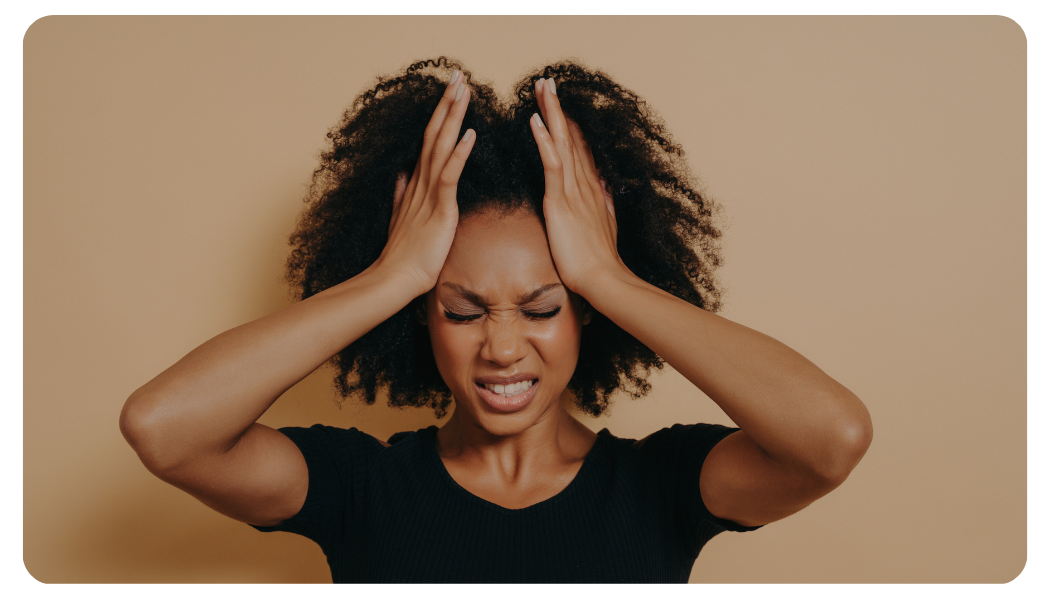
How the Brain Responds to Chronic Pressure
When stress continues without relief, the brain adapts in ways that reduce resilience:
The prefrontal cortex becomes less effective, impairing focus and decision-making
The amygdala becomes more reactive, increasing irritability and anxiety
Dopamine levels decline, reducing motivation and pleasure
This explains why burnout often feels like emotional emptiness rather than anxiety.

Key Differences Between Stress and Burnout
Stress tends to look like over-engagement — too much urgency, too much pressure.
Burnout looks like disengagement — emotional withdrawal, exhaustion, and loss of meaning.
Stress says: “I have too much to do.”
Burnout says: “I don’t care anymore.”
Recognizing which one you’re experiencing is the first step toward recovery.

Evidence-Based Recovery Strategies
Recovering From Stress
Stress recovery focuses on regulation and balance:
Improving sleep consistency
Reducing overcommitment
Practicing relaxation techniques
Setting boundaries
Short-term therapy support
Stress responds well when the nervous system is allowed to reset.
Recovering From Burnout
Burnout recovery requires deeper intervention because it involves emotional depletion and loss of purpose. Evidence-based strategies include:
Psychotherapy: Helps address emotional exhaustion, values, and meaning
Behavioral activation: Gradual re-engagement in meaningful activities
Cognitive restructuring: Reframing perfectionism and self-expectations
Medical evaluation: To rule out depression, anxiety, or sleep disorders
Lifestyle restructuring: Not just rest, but restoring fulfillment
Burnout often overlaps with depression — and professional evaluation is crucial.

When to Seek Professional Help
You may benefit from psychiatric or therapeutic support if:
Exhaustion persists despite rest
Motivation continues to decline
Mood feels flat or hopeless
Sleep problems become chronic
Work or relationships are suffering
Early intervention prevents burnout from progressing into major depression or anxiety disorders.
Our Approach at Peacefulness Mental Health Clinic
At Peacefulness Mental Health Clinic in San Bernardino, we help patients identify whether they’re dealing with stress, burnout, or an underlying mental health condition. Our care includes:
Comprehensive mental health evaluations
Evidence-based psychotherapy
Medication management when appropriate
Support for work-life balance and recovery planning
We help patients restore energy, clarity, and emotional connection — not just push through exhaustion.
📍 Visit us at 1906 Commercenter East, Suite 210, San Bernardino, CA 92408 or contact us today to begin recovery with care grounded in science and compassion.