

Major Depression vs. Bipolar Depression: Why Accurate Diagnosis Is Critical
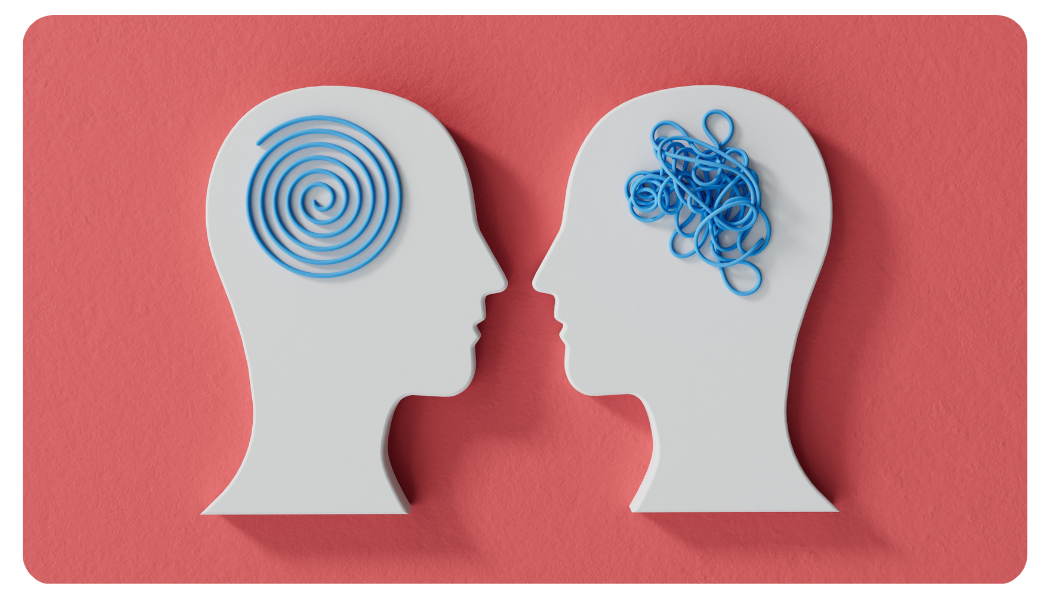
At Peacefulness Mental Health Clinic, many patients seek help because they feel deeply depressed — struggling with low energy, hopelessness, emotional pain, and difficulty functioning in daily life.
What many people do not realize is that depression can occur in more than one psychiatric condition. One of the most important distinctions in mental health care is the difference between Major Depressive Disorder and Bipolar Disorder with depressive episodes. Although the symptoms may look very similar, the underlying diagnosis — and therefore the treatment — can be very different. That is why an accurate evaluation is essential.

What Is Major Depressive Disorder?
Major Depressive Disorder (MDD) is characterized by a persistent low mood and a loss of interest in activities that once felt meaningful. These symptoms last for at least two weeks and often affect sleep, appetite, motivation, concentration, and overall functioning. Many individuals experience feelings of guilt, worthlessness, or emotional heaviness that makes even simple tasks feel overwhelming.
MDD is one of the most common mental health conditions, and it is highly treatable through evidence-based psychotherapy, lifestyle support, and antidepressant medication when appropriate.

What Is Bipolar Depression?
Bipolar disorder also includes episodes of depression, but it differs from major depression because it involves periods of elevated mood states as well. These may take the form of full mania in Bipolar I disorder or hypomania in Bipolar II disorder. During these phases, a person may feel unusually energized, require less sleep, think more rapidly, become more impulsive, or experience increased irritability.
The depressive episodes in bipolar disorder can feel identical to major depression, which is why bipolar depression is sometimes misdiagnosed — especially if manic or hypomanic symptoms are mild or not recognized.

Why Misdiagnosis Happens
Bipolar disorder is often misdiagnosed because many individuals seek treatment during the depressive phase rather than during periods of elevated mood. Hypomania, in particular, may not feel like a problem to the person experiencing it. It can feel like productivity, creativity, or simply “feeling normal again” after depression.
Because these elevated periods may not be reported or may be overlooked, bipolar disorder can remain hidden until mood instability becomes more severe.

Why the Diagnosis Matters So Much
Accurate diagnosis is critical because treatment strategies differ significantly between major depression and bipolar depression. Major Depressive Disorder is often treated effectively with antidepressant medications such as SSRIs or SNRIs, along with therapies like Cognitive Behavioral Therapy (CBT).
Bipolar depression, however, typically requires mood stabilizing treatment. Medications such as lithium or other mood-regulating agents are often necessary to prevent mood cycling. In some cases, antidepressants used alone may worsen bipolar symptoms or trigger manic episodes if mood stabilization is not addressed. This is why careful psychiatric supervision is so important.

Brain Science Differences
Both conditions involve changes in brain chemistry and emotional regulation, but bipolar disorder is more strongly linked to dysregulation in dopamine pathways, reward circuits, and circadian rhythm stability. Mood-switching mechanisms in the brain can become more reactive, leading to alternating depressive and elevated states.
Major depression, on the other hand, is often associated with disruptions in serotonin and norepinephrine signaling, increased stress-hormone exposure, and reduced neurogenesis in brain regions such as the hippocampus. These biological differences help explain why treatment must be personalized and diagnosis-specific.

Key Clues That Suggest Bipolar Depression
A comprehensive psychiatric evaluation often includes exploring whether a person has experienced periods of unusually high energy, reduced need for sleep, sudden mood shifts, racing thoughts, or impulsive behavior. Family history is also important, as bipolar disorder has a strong genetic component.
These details allow clinicians to distinguish bipolar depression from unipolar major depression and ensure that treatment is both safe and effective.
Evidence-Based Recovery Is Possible
Both major depression and bipolar disorder are treatable conditions. With the right diagnosis and long-term care, many individuals achieve emotional stability, improved daily functioning, stronger relationships, and a greatly reduced risk of relapse.
The most important first step is clarity — understanding what type of depression is present so that treatment supports healing rather than uncertainty.
Our Approach at Peacefulness Mental Health Clinic
At Peacefulness Mental Health Clinic in San Bernardino, we prioritize accurate diagnosis through comprehensive evaluations and evidence-based care. Our approach includes detailed mood assessment, personalized medication management, psychotherapy integration, and long-term follow-up focused on stability and relapse prevention.
We help patients move beyond labels and toward confidence, balance, and lasting wellness.
📍 Visit us at 1906 Commercenter East, Suite 210, San Bernardino, CA 92408 to schedule an evaluation and begin treatment tailored to your needs.