

Trauma and the Body: Why Stress Shows Up as Physical Symptoms

Many people seek medical care for headaches, fatigue, muscle tension, or digestive issues, only to be told that “everything looks normal.” At Peacefulness Mental Health Clinic, we often meet patients who feel confused by this — their symptoms are real, yet no clear physical cause is found.
What is often missing from the conversation is the powerful connection between stress, trauma, and the body. The brain and body are not separate systems. When the nervous system is under prolonged stress, it can express itself physically in very real and measurable ways.

When the Body Carries Stress
The body is designed to respond to stress through a survival mechanism commonly known as the fight-or-flight response. In short bursts, this response is protective. The brain signals the release of stress hormones like cortisol and adrenaline, increasing heart rate, muscle readiness, and alertness.
However, when stress becomes chronic — or when trauma remains unresolved — this system can stay activated longer than it should. Instead of returning to a calm baseline, the body remains in a state of heightened vigilance.
Over time, this can begin to affect multiple systems in the body, even without a visible medical condition.

Why Symptoms Feel Physical
Stress and trauma are processed in brain regions that are closely connected to bodily regulation. The amygdala, which detects threat, communicates directly with systems that control heart rate, digestion, muscle tension, and breathing.
When this system is repeatedly activated, the body can develop patterns such as persistent muscle tightness, shallow breathing, or digestive sensitivity. These responses are not imagined — they are learned physiological patterns shaped by the nervous system.
This is why stress can show up as real symptoms like chest discomfort, stomach issues, headaches, or fatigue..
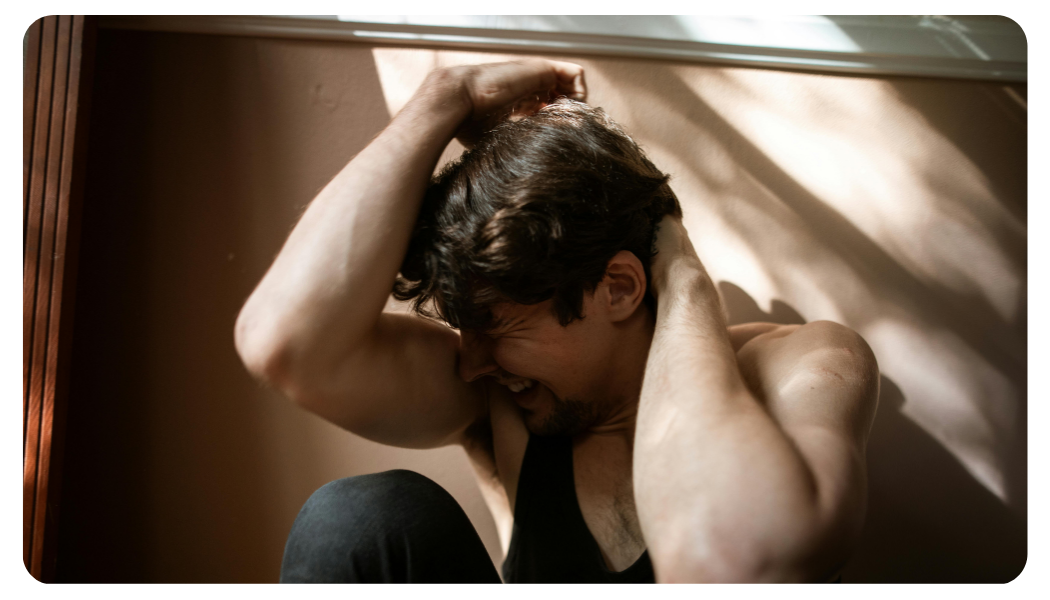
The Role of the Nervous System
The autonomic nervous system has two main branches: one that activates the body (often associated with stress and alertness), and one that helps the body rest and recover.
In individuals experiencing chronic stress or trauma, the balance between these systems can become disrupted. Some people remain in a constant state of activation, feeling restless, tense, or anxious. Others may experience periods of shutdown, where they feel emotionally numb, low in energy, or disconnected.
This dysregulation can affect sleep, immune function, digestion, and overall well-being.

Psychosomatic Does Not Mean “In Your Head”
The term “psychosomatic” is often misunderstood. It does not mean symptoms are imagined or not real. It means that psychological processes are influencing physical symptoms through biological pathways.
Research shows that chronic stress can alter hormone levels, increase inflammation, and change how the brain processes pain signals. These changes can make the body more sensitive and reactive over time.
Understanding this connection helps shift the focus from “nothing is wrong” to “the body is responding to stress in a real way.”

Trauma and Long-Term Body Patterns
When the body experiences repeated or intense stress, it can begin to anticipate danger even in safe environments. This can lead to ongoing patterns such as tension, hypervigilance, or physical discomfort that seem to have no clear trigger.
For some individuals, this may show up as chronic pain, digestive issues, or fatigue. For others, it may appear as a constant sense of unease or difficulty relaxing.
These patterns are not permanent. The brain and body are capable of change through a process known as neuroplasticity, meaning new, healthier regulation patterns can be developed over time.
How Treatment Helps Restore Balance
Addressing stress-related physical symptoms requires a comprehensive approach that supports both the mind and the body.
Psychotherapy can help individuals process stress and trauma, reducing the brain’s perception of threat. Techniques such as cognitive behavioral therapy, mindfulness, and trauma-informed approaches can improve emotional regulation and reduce physiological reactivity.
At the same time, practical strategies such as improving sleep, establishing routines, and learning relaxation techniques can help retrain the nervous system to return to a calmer baseline.
In some cases, medication may be used to stabilize mood, reduce anxiety, or improve sleep, making it easier for the body to recover.

What Recovery Feels Like
As the nervous system becomes more balanced, many patients notice gradual improvements not only in emotional well-being but also in physical symptoms. Muscle tension may decrease, sleep may improve, and the body may feel less reactive to stress.
Perhaps most importantly, individuals begin to feel a greater sense of control over their bodies rather than feeling at the mercy of unexplained symptoms.
Our Approach at Peacefulness Mental Health Clinic
At Peacefulness Mental Health Clinic in San Bernardino, we understand that mental health symptoms often extend beyond thoughts and emotions. Our approach considers how stress, trauma, and lifestyle factors interact with physical health.
We provide comprehensive evaluations and evidence-based treatment plans that address both psychological and physiological aspects of care. By supporting the nervous system as a whole, we help patients move toward lasting stability and well-being.
📍 Visit us at 1906 Commercenter East, Suite 210, San Bernardino, CA 92408 to schedule an evaluation and begin a more complete approach to mental health.