

Digital Overload and Mental Health: How Constant Stimulation Affects the Brain

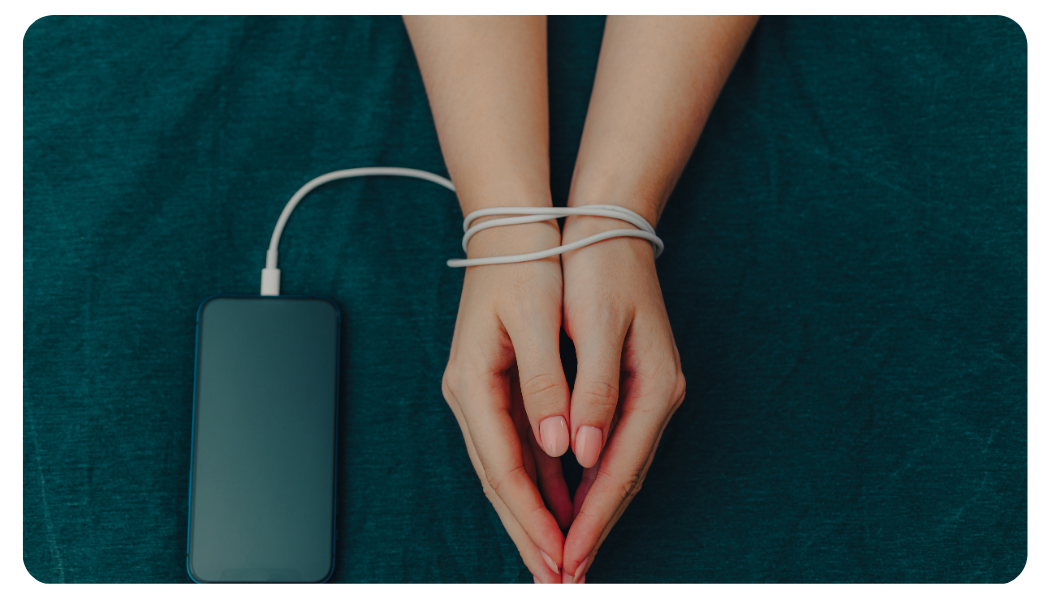
It has become normal to check a phone dozens — sometimes hundreds — of times a day. Notifications, short videos, messages, and constant updates create a steady stream of stimulation that rarely pauses. At Peacefulness Mental Health Clinic, many patients describe feeling mentally exhausted, unfocused, or anxious without always connecting it to their digital habits.
The human brain, however, was not designed for continuous stimulation. Over time, this constant input can begin to affect attention, mood, and even sleep in ways that are subtle at first but increasingly disruptive.

Why the Brain Is Drawn to Screens
Digital platforms are designed to capture attention by engaging the brain’s reward system. Each notification, message, or new piece of content triggers a small release of dopamine, a neurotransmitter involved in motivation and reward.
This does not mean dopamine is harmful — it is essential for learning and goal-directed behavior. The issue arises when the brain is repeatedly exposed to rapid, unpredictable rewards. This pattern strengthens the habit of checking devices frequently, making it harder to disengage.
Over time, the brain begins to expect constant stimulation, which can make slower, more effortful activities — such as reading, working, or even having conversations — feel less engaging.

Attention Fragmentation and Mental Fatigue
One of the most noticeable effects of digital overload is difficulty sustaining attention. Switching rapidly between apps, messages, and tasks forces the brain to constantly reorient itself. This process, sometimes referred to as “task switching,” carries a cognitive cost.
Research shows that frequent interruptions reduce efficiency and increase mental fatigue. Even brief distractions can make it harder to return to the original task with the same level of focus.
Many patients describe this as feeling scattered, easily distracted, or unable to complete tasks the way they used to. Over time, this can contribute to frustration, reduced productivity, and increased stress.
The Link to Anxiety
Constant connectivity can also increase anxiety. The brain remains in a state of anticipation, expecting the next notification or update. This ongoing alertness can subtly activate the body’s stress response.
In addition, social comparison through digital platforms can influence self-esteem and mood. Seeing curated versions of others’ lives may lead to feelings of inadequacy or pressure, even when individuals are aware that what they are seeing is not a complete picture.
The result is often a combination of mental overstimulation and emotional strain.

Sleep Disruption and the Brain
One of the most significant effects of digital overload occurs at night. Exposure to screens, particularly before bedtime, can interfere with the body’s natural sleep signals.
Blue light emitted from screens can reduce melatonin production, making it harder to fall asleep. At the same time, engaging content keeps the brain mentally active when it should be winding down.
Even small disruptions in sleep can affect mood, concentration, and emotional regulation the following day. Over time, poor sleep can contribute to or worsen conditions such as anxiety and depression.

When Stimulation Replaces Recovery
The brain needs periods of low stimulation to recover and process information. Moments of quiet — such as walking, resting, or simply being without input — allow neural systems to reset.
When these moments are replaced with constant scrolling or background noise, the brain loses opportunities for recovery. This can lead to a persistent sense of mental fatigue, even when someone has not engaged in physically demanding activity.
Finding Balance Without Eliminating Technology
The goal is not to eliminate technology, but to use it more intentionally. Small adjustments can significantly reduce the impact of digital overload.
Creating boundaries around screen time, especially before sleep, can help restore natural rhythms. Limiting notifications reduces unnecessary interruptions, allowing the brain to focus more deeply. Scheduling periods of low stimulation — even short breaks — can improve mental clarity and reduce stress.
Over time, these changes help retrain the brain to tolerate and even appreciate slower, more focused activities.

How Treatment Can Help
For individuals experiencing significant anxiety, attention difficulties, or sleep disruption, professional support can be helpful. Therapy can address underlying patterns such as compulsive checking, stress reactivity, or difficulty disengaging from stimulation.
When needed, medication may help regulate attention, mood, or sleep, creating a more stable foundation for behavioral changes.
What Improvement Feels Like
As digital habits become more balanced, many people notice improvements in focus, reduced anxiety, and better sleep quality. Tasks that once felt difficult to complete may become more manageable, and the mind often feels calmer and less reactive.
These changes tend to develop gradually, reflecting the brain’s ability to adapt and reorganize when given the opportunity.
Our Approach at Peacefulness Mental Health Clinic
At Peacefulness Mental Health Clinic in San Bernardino, we recognize how modern lifestyle factors, including digital habits, influence mental health. Our approach combines evidence-based psychiatric care with practical strategies that support attention, emotional balance, and healthy routines.
By addressing both clinical symptoms and daily habits, we help patients regain a sense of control over their focus, mood, and overall well-being.
📍 Visit us at 1906 Commercenter East, Suite 210, San Bernardino, CA 92408 to schedule an evaluation and learn how to restore balance in a constantly connected world.