

Mood Swings vs. Mood Disorders: When Is It a Clinical Issue?

Everyone experiences changes in mood. Some days feel lighter and more productive, while others feel heavier or more stressful. At Peacefulness Mental Health Clinic, many patients ask an important question: “Are my mood swings normal, or is something more going on?”
Understanding the difference between everyday emotional variation and a clinical mood disorder is key. While occasional mood changes are part of being human, persistent or extreme shifts in mood may reflect underlying conditions that can benefit from professional care.

When Mood Changes Are Part of Normal Life
Mood naturally responds to daily experiences. Stress at work, lack of sleep, or personal challenges can influence how someone feels from one day to the next. These changes are usually temporary and tend to improve as circumstances shift.
Even positive events can affect mood. Excitement, anticipation, and emotional highs are also part of a healthy emotional range. What defines normal mood variation is that it remains proportional, short-lived, and does not significantly disrupt daily functioning.
When Mood Becomes More Intense or Unpredictable
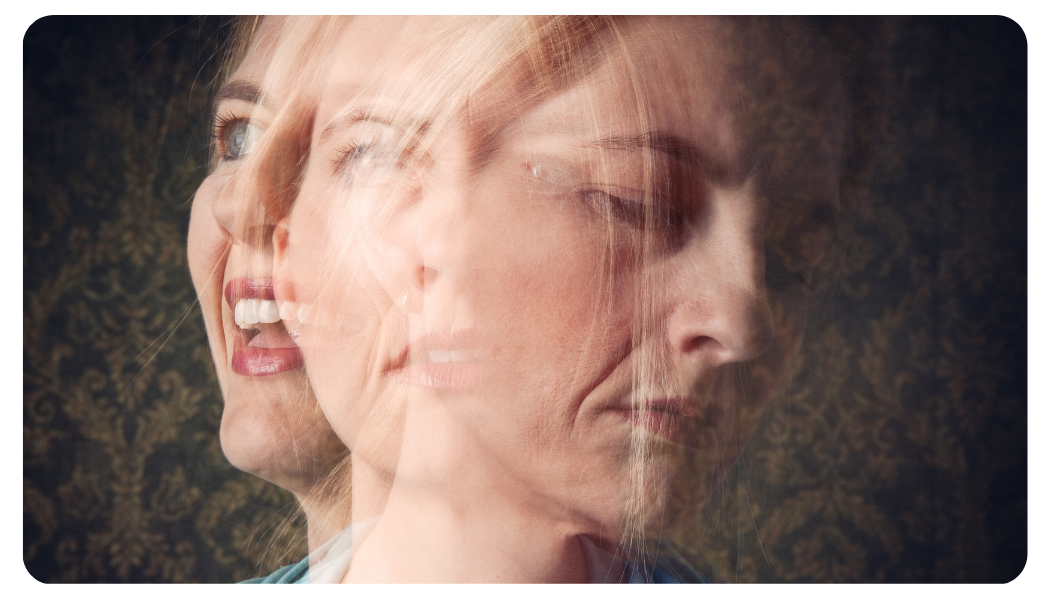
Mood disorders involve patterns that go beyond typical emotional responses. Instead of being tied closely to external situations, mood changes may feel more intense, last longer, or occur without a clear trigger.
Some individuals experience prolonged periods of low mood, fatigue, and loss of interest, which may indicate depression. Others may notice alternating periods of elevated mood, increased energy, or impulsivity followed by emotional lows.
When these patterns begin to affect work, relationships, sleep, or decision-making, it may signal a clinical condition rather than normal variation.

Understanding Bipolar Spectrum Conditions
Bipolar disorder is one of the most well-known mood disorders, but it is often misunderstood. It is not simply “mood swings” in the everyday sense. Instead, it involves distinct mood episodes that differ significantly from a person’s usual baseline.
During elevated mood states, sometimes called mania or hypomania, individuals may feel unusually energized, require less sleep, think more rapidly, or engage in impulsive behaviors. These periods are often followed by episodes of depression, which can involve low energy, difficulty concentrating, and loss of motivation.
There is also a related condition called cyclothymia, where mood shifts are more chronic but less severe than full bipolar episodes. Even though symptoms may appear milder, they can still impact stability and quality of life over time.

What’s Happening in the Brain
Mood disorders are linked to changes in how the brain regulates emotional stability. Neurotransmitters such as serotonin, dopamine, and norepinephrine play a role in mood balance, motivation, and energy levels.
In bipolar spectrum conditions, there may be dysregulation in brain circuits that control emotional intensity and rhythm. This can lead to shifts between high and low mood states that are not easily controlled through willpower alone.
Sleep also plays a critical role. Disruptions in sleep patterns can both trigger and worsen mood episodes, particularly in bipolar conditions, where the brain is sensitive to changes in circadian rhythm.

Why It Can Be Hard to Recognize
Many people do not immediately recognize mood disorders because symptoms can develop gradually or be mistaken for personality traits. Periods of high energy may feel productive or even positive at first, while depressive phases may be attributed to stress or burnout.
In some cases, individuals seek help during depressive episodes without realizing there have also been periods of elevated mood. This is why comprehensive evaluation is important — accurate diagnosis leads to more effective treatment.
When to Consider Professional Support
A helpful way to think about this is whether mood changes are interfering with daily life or feeling out of control. Signs that may suggest a clinical concern include prolonged mood changes, difficulty maintaining routines, disrupted sleep, impulsive decisions, or ongoing emotional instability.
Seeking support early can prevent symptoms from becoming more severe and help establish a clearer understanding of what is happening.

Evidence-Based Treatment Options
Mood disorders are highly treatable with the right approach. Treatment often includes a combination of medication, psychotherapy, and lifestyle stabilization.
Medications may help regulate mood fluctuations and reduce the intensity of episodes. Therapy provides tools for recognizing patterns, managing stress, and maintaining stability over time. Establishing consistent sleep and daily routines is also an essential part of treatment, particularly for bipolar-related conditions.
What Stability Feels Like
Treatment does not eliminate emotions — it helps restore balance. Patients often describe feeling more consistent, with fewer extreme highs and lows. Decision-making becomes clearer, relationships improve, and daily functioning feels more manageable.
Over time, individuals develop a better understanding of their mood patterns and how to maintain stability.
Our Approach at Peacefulness Mental Health Clinic
At Peacefulness Mental Health Clinic in San Bernardino, we provide thorough evaluations to distinguish between normal mood variation and clinical mood disorders. Our approach is personalized, evidence-based, and focused on long-term stability.
We work closely with patients to develop treatment plans that may include medication management, therapy, and practical strategies to support daily functioning and emotional balance.
📍 Visit us at 1906 Commercenter East, Suite 210, San Bernardino, CA 92408 to schedule an evaluation and gain clarity about your mental health.