

Social Anxiety vs. Introversion: Understanding the Difference
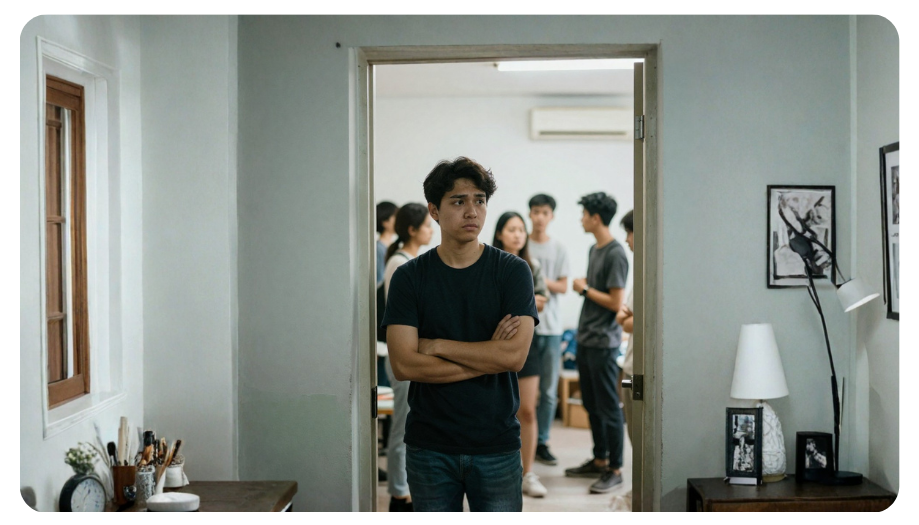
Many people describe themselves as “introverted” when they feel uncomfortable in social situations. At Peacefulness Mental Health Clinic, we often meet patients who have spent years believing their social struggles are simply part of their personality — when in reality, they may be experiencing social anxiety, a highly treatable condition.
Understanding the difference between introversion and social anxiety is important, because one is a natural personality trait, while the other is a condition that can significantly improve with the right care.
Not All Quietness Is the Same
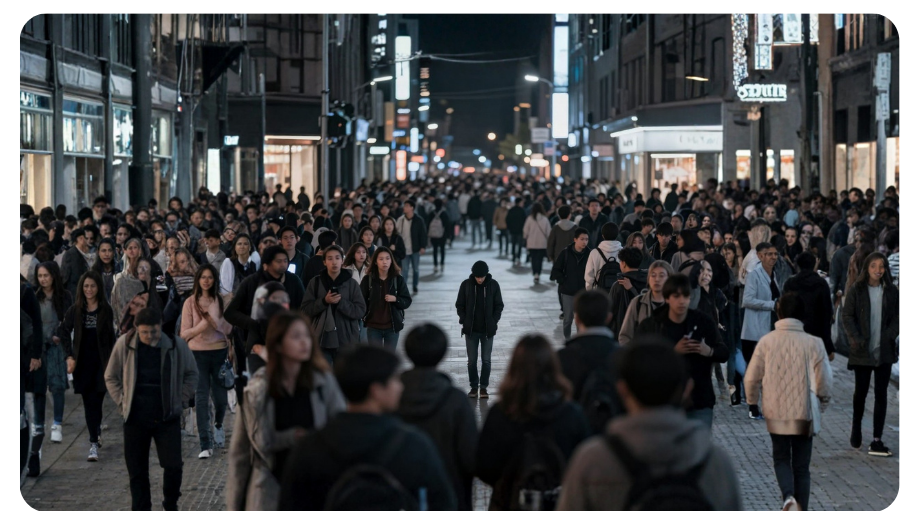
Introversion and social anxiety can look similar on the surface. Both may involve preferring smaller groups, needing time alone to recharge, or feeling drained after prolonged social interaction.
However, the reason behind these experiences is very different. Introversion is about energy preference, while social anxiety is about fear and distress.
An introverted person may choose to spend time alone because it feels comfortable and restorative. A person with social anxiety may avoid social situations because they feel overwhelming, stressful, or even physically uncomfortable.
What Introversion Really Means
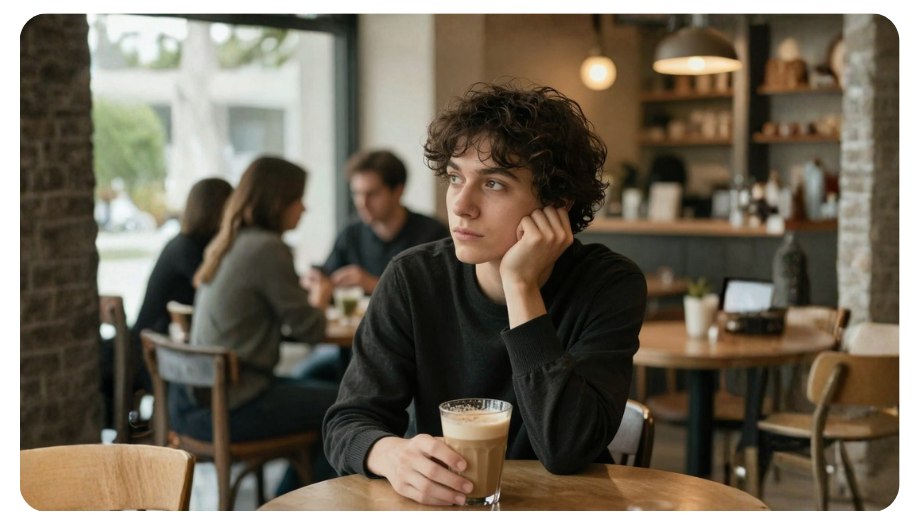
Introversion is a normal personality trait, not a disorder. Introverted individuals tend to feel more energized by solitary activities and may prefer meaningful one-on-one interactions over large group settings.
They are fully capable of socializing, building relationships, and performing in public situations when needed. The key difference is that social interaction may feel tiring rather than energizing — but not necessarily frightening.
Introversion does not typically interfere with daily functioning or create significant emotional distress.

What Social Anxiety Feels Like
Social anxiety, also known as social anxiety disorder, involves a persistent fear of being judged, embarrassed, or negatively evaluated by others. This fear can occur in everyday situations such as speaking in meetings, meeting new people, or even making phone calls.
The experience is not just psychological — it is also physical. Many individuals notice symptoms such as a racing heart, sweating, shaking, or difficulty speaking. The brain’s threat system becomes activated, even when there is no real danger.
Over time, people may begin to avoid social situations altogether, which can limit opportunities in work, relationships, and personal growth.

The Brain Behind the Experience
The difference between introversion and social anxiety can also be seen in how the brain responds to social situations.
In social anxiety, the amygdala, the brain’s fear center, becomes overactive. It interprets social interactions as potential threats, triggering a fight-or-flight response. At the same time, the prefrontal cortex — which helps regulate and rationalize fear — may become less effective under stress.
In introversion, this fear response is not present. The brain is not reacting to social interaction as a threat; it simply prefers lower levels of stimulation.

When It Becomes More Than Personality
A helpful question is: “Is this a preference, or is it holding me back?”
If someone avoids opportunities, feels intense distress before or during social interactions, or spends excessive time worrying about how they were perceived, it may indicate social anxiety rather than introversion.
Social anxiety can affect career growth, relationships, and self-confidence. The longer it goes untreated, the more the avoidance patterns can become reinforced.
Why the Distinction Matters
Mislabeling social anxiety as introversion can delay treatment for years. Many individuals assume, “This is just who I am,” and do not realize that their symptoms are highly treatable.
Recognizing social anxiety allows individuals to access effective therapies that directly target the fear response and avoidance cycle.

Evidence-Based Treatment Works
Social anxiety responds well to structured, evidence-based treatment. Cognitive Behavioral Therapy (CBT) helps individuals identify and challenge negative thought patterns while gradually building confidence in social situations.
Exposure-based strategies are particularly effective, allowing the brain to learn that social interactions are not dangerous. Over time, the fear response decreases, and situations that once felt overwhelming become manageable.
Medication may also be helpful in some cases by regulating the brain systems involved in anxiety, making it easier to engage in therapy and daily activities.
What Progress Looks Like
Improvement does not mean becoming an extrovert. The goal is not to change personality, but to remove the barrier of fear.
Patients often notice that they can speak more comfortably, participate in social situations without overwhelming anxiety, and spend less time worrying about how they are perceived. They retain their natural personality while gaining confidence and flexibility.
Our Approach at Peacefulness Mental Health Clinic
At Peacefulness Mental Health Clinic in San Bernardino, we help patients distinguish between personality traits and treatable conditions through careful evaluation and evidence-based care.
Our approach includes psychotherapy, medication management when appropriate, and practical strategies to reduce anxiety and improve confidence in real-world situations. We focus on helping patients feel more in control — not changing who they are, but helping them function at their best.
📍 Visit us at 1906 Commercenter East, Suite 210, San Bernardino, CA 92408 to schedule an evaluation and take the first step toward more confident and comfortable social experiences.