


A racing heart, a wave of nausea or an unsteady feeling in the legs can be the first indication that someone is anxious. Sometimes these sensations appear before a person recognizes feelings of worry or fear. These experiences can be confusing, especially when there is no obvious danger and the symptoms seem to come out of nowhere.
Anxiety is often described as worry, fear or nervousness, but it also involves changes in breathing, circulation, digestion and muscle activity. The same systems that allow us to respond quickly to an emergency can become active in anticipation of something stressful, or even in response to a sensation within the body.
Understanding how these symptoms develop can make them less mysterious and help people recognize when to seek mental health support or medical evaluation. Anxiety-related symptoms are genuine physical experiences, but it is equally important not to assume that every new physical symptom is caused by anxiety.
How anxiety activates the fight-or-flight response
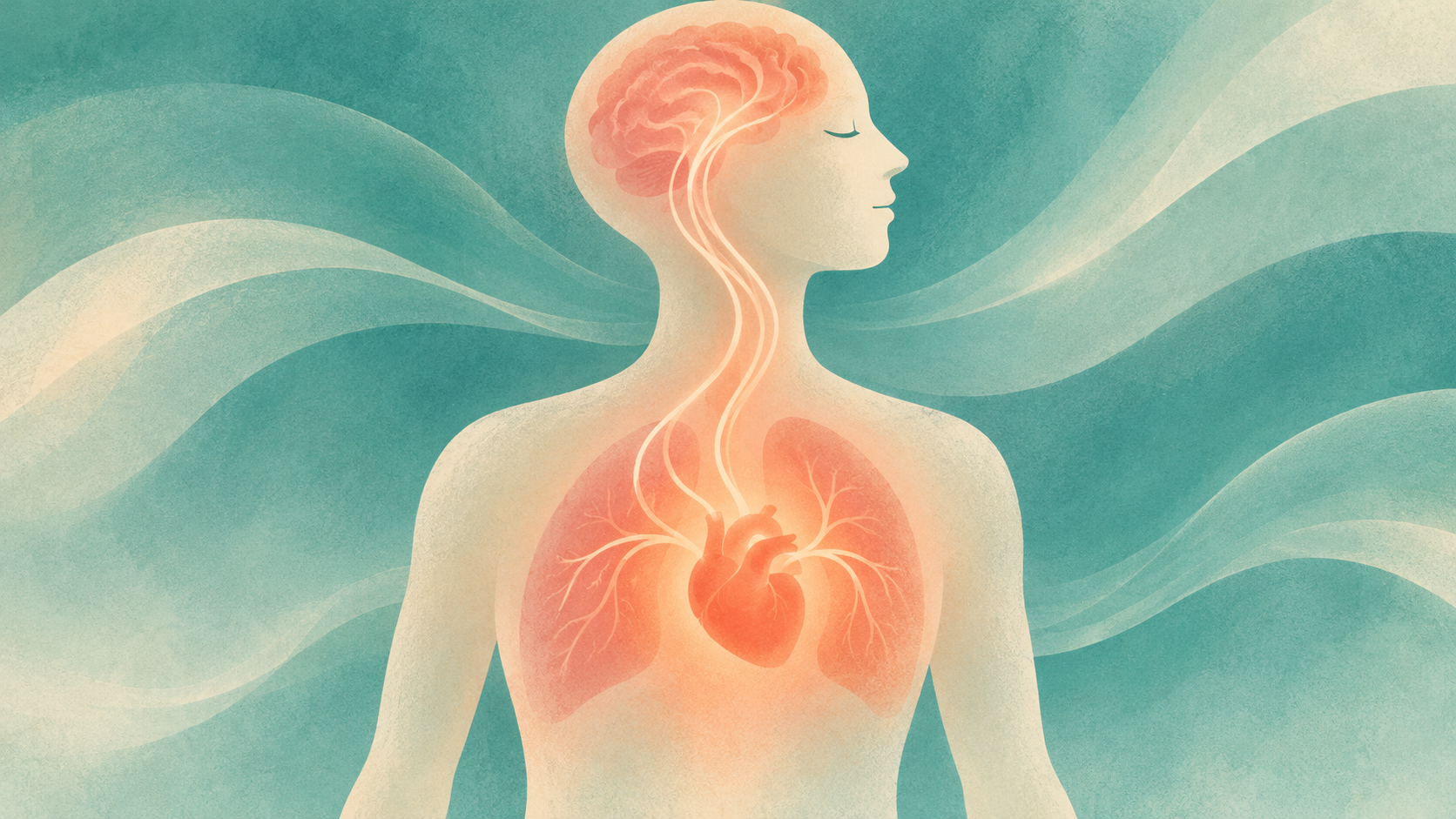
When the brain identifies a potential threat, it can activate the sympathetic branch of the autonomic nervous system. This system regulates functions that normally occur without conscious effort, including heartbeat, breathing, digestion and the activity of sweat glands.
The adrenal glands can release adrenaline, which helps the heart pump more quickly and prepares muscles for action. Other stress-response pathways can increase cortisol and change how the body makes energy available. The response helps us react to a real danger, yet it can also occur before a difficult meeting, while waiting for medical results or during uncertainty about the future.
The other major branch of the autonomic nervous system, the parasympathetic system, helps support functions associated with rest and recovery. Ideally, bodily activity settles as the need for an immediate response passes. With recurrent anxiety, arousal may return frequently or take longer to settle.
Not everyone experiences the same response. Some people notice their heartbeat first, while others mainly experience digestive discomfort, lightheadedness or tight muscles.
Why anxiety makes your heart pound
One of the most noticeable effects of adrenaline is a change in heart rate and the force of each heartbeat. A person may become unusually aware of their pulse, feel pounding in the chest or notice sensations that seem like skipped or extra beats. These experiences are known as palpitations.
Heightened attention to bodily sensations can amplify the experience. A heartbeat that would usually go unnoticed may feel intense when someone is watching for signs that something is wrong. This can happen while sitting quietly as well as during a stressful activity.
Anxiety can contribute to palpitations, but heart rhythm disturbances, stimulants, dehydration, thyroid problems and some medications can produce similar sensations. A racing or irregular heartbeat should not automatically be attributed to anxiety, especially when it is new, persistent or occurs with other concerning symptoms.
Shortness of breath and the urge to take a deep breath
Anxiety can alter both the speed and depth of breathing. Muscles used for breathing may become more active, and people may unconsciously breathe from the upper chest or take repeated large breaths. Some experience the feeling that they cannot get a satisfying breath, even when they are breathing more than their body needs.
Overbreathing, also called hyperventilation, can cause the amount of carbon dioxide in the blood to fall. This changes the body's acid-base balance temporarily and may contribute to lightheadedness, tingling and an uncomfortable sense of breathlessness.
The sensation of needing air can make a person breathe even harder, which may intensify the symptoms. However, overbreathing does not explain all anxiety-related breathing problems, and shortness of breath can also have a heart or lung cause. New or severe breathing difficulties require prompt medical attention.
Dizziness, lightheadedness and tingling

Dizziness during anxiety can feel different from person to person. Some describe an unsteady or floating feeling, while others experience lightheadedness, especially when breathing becomes fast or deep.
When carbon dioxide falls with hyperventilation, blood vessels in the brain narrow temporarily. This can contribute to lightheadedness. Changes in blood chemistry may also produce tingling around the mouth or in the hands and feet. Physical tension, fatigue and poor sleep may further influence how steady or alert a person feels.
The experience can be particularly unsettling in a grocery store, crowded room or while driving. A person may start to avoid those situations out of fear of becoming dizzy again.
Anxiety is only one possible explanation. Vertigo, blood pressure changes, anemia, dehydration, medication effects and neurological conditions can also cause dizziness. A medical professional can help identify the pattern and decide whether additional evaluation is necessary.
Why anxiety affects the stomach and appetite
The digestive system is closely connected to the nervous system. Changes in autonomic activity and stress hormones can influence how quickly the stomach empties, how the intestines move and how strongly digestive sensations are perceived.
For some people, anxiety produces nausea, a tight feeling in the stomach or reduced appetite. Others may experience cramping, an urgent need to use the bathroom or changes in bowel habits. These reactions can occur before an important event, and some people develop more persistent digestive symptoms during periods of ongoing worry.
Anxiety can also affect everyday routines. Eating hurriedly, skipping meals, drinking more caffeine or sleeping poorly may contribute to digestive discomfort and make anxiety symptoms harder to manage.
Although the gut and brain influence each other, digestive symptoms have many possible causes. Repeated vomiting, persistent abdominal pain, unexplained weight loss or blood in the stool warrant medical assessment.
Trembling, muscle tension and physical fatigue
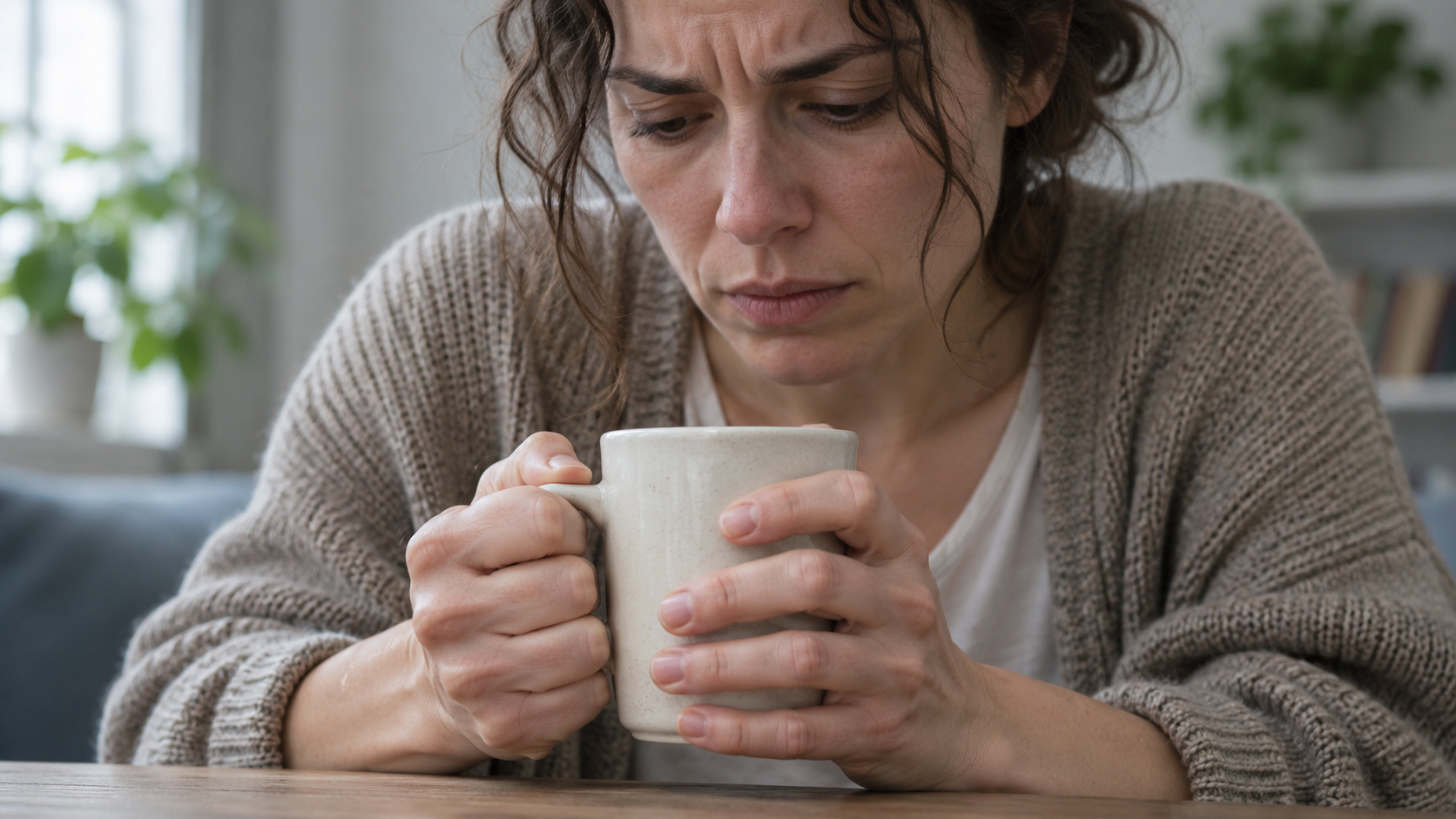
During the fight-or-flight response, the body prepares skeletal muscles for movement. This can make the hands shake, legs feel restless or shoulders tighten without a person deliberately contracting them.
When tension occurs frequently, the neck, jaw, shoulders and back may become sore. Someone working at a computer might notice that they have been clenching their jaw for hours or keeping their shoulders raised while concentrating on a concern.
Trembling can accompany a sudden surge of anxiety, while muscle tension and fatigue may develop more gradually. Persistent mental alertness, disturbed sleep and the effort of holding tension throughout the day can leave a person physically drained.
These symptoms may vary with daily stress, rest, caffeine and other factors. Ongoing tremor, weakness or unexplained muscle pain deserves evaluation rather than being dismissed as nervousness.
Why symptoms can continue even when you feel calmer

Physical arousal and conscious feelings do not always settle at the same speed. A person may finish a stressful conversation and feel relieved, yet still notice a fast heartbeat, tense shoulders or an uneasy stomach for a while.
Another important factor is attention. Once a symptom has been frightening, a person may become more alert to its possible return. For example, noticing a slightly faster heartbeat can bring a worry about the heart, leading to additional arousal and more noticeable sensations.
This cycle between physical sensations, interpretation and anxiety can reinforce itself. It may also explain why someone begins to feel anxious about anxiety itself. Repeated checking or avoiding activities may offer temporary relief but can sometimes increase sensitivity to those sensations over time.
A sudden intense episode may be a panic attack, whereas persistent tension and worry can occur in other forms of anxiety. The physical symptoms alone cannot establish which, if any, anxiety disorder a person has. People experiencing persistent stress after a difficult event may also find our article on trauma and physical symptoms useful.
When physical symptoms need medical evaluation

It can be reassuring to understand the physiology of anxiety, but that understanding should never replace appropriate medical care. Symptoms of anxiety can overlap with medical conditions, and both can occur at the same time.
If symptoms are new, recurring, changing or disrupting daily life, a healthcare professional can review the symptom pattern, health history and medications. Depending on the situation, a physical examination or other testing may be appropriate. An anxiety assessment may also help when worry, avoidance or physical sensations are significantly affecting sleep, work or relationships.
Call 911 for signs of a medical emergency, such as new or unexplained chest pain or pressure, severe difficulty breathing, fainting, or sudden weakness on one side of the body or trouble speaking. Do not assume these are anxiety, even if you have experienced panic attacks before.
Helping the body recover from anxiety

Treatment can reduce how often anxiety symptoms occur, how intense they become and how much they interfere with life. Cognitive behavioral therapy (CBT) can help people identify frightening interpretations of bodily sensations, develop more flexible responses to worry and gradually reduce avoidance. For some anxiety disorders, a clinician may recommend medication alongside therapy or as another treatment option.
Everyday habits can support treatment. Regular sleep, consistent meals, reducing excessive caffeine and appropriate physical activity can help reduce factors that aggravate physical arousal. Gentle, comfortable breathing with a relaxed exhale may help some people manage anxiety-related overbreathing; repeatedly forcing large breaths may make lightheadedness worse.
Learning to notice bodily sensations without immediately interpreting them as dangerous can take practice. The aim is not to eliminate every normal physical change, but to respond more confidently when symptoms occur and to know when medical evaluation is appropriate.
At Peacefulness Mental Health Clinic in San Bernardino, our team can help you explore how anxiety may be affecting your thoughts, body and daily routines, and discuss treatment options tailored to your needs. If anxiety is interfering with your well-being, consider scheduling an evaluation.
Clinical references
This article provides general education and does not replace an individualized medical or mental health assessment.