

Rejection Sensitivity: Why Some People Feel Criticism So Deeply
Most people have experienced rejection at some point—a job application that wasn't accepted, criticism from a supervisor, a disagreement with a loved one, or a text message that never received a reply. While these situations can be disappointing for anyone, some people experience them much more intensely.
A brief comment may linger for days. Constructive feedback feels deeply personal. A small misunderstanding can trigger feelings of embarrassment, shame, or the belief that they have let someone down.
This heightened emotional response is known as rejection sensitivity, and it involves far more than simply "taking things personally."

The Brain Doesn't Separate Social and Physical Pain
Human beings are naturally wired for connection. Throughout evolution, belonging to a group was essential for survival, so the brain developed systems that respond strongly to signs of social exclusion.
Studies have shown that social rejection activates many of the same brain networks involved in processing physical pain. While emotional pain isn't physically harmful in the same way as an injury, the brain often experiences rejection as a meaningful threat.
For some individuals, this response is stronger and more persistent, making criticism or perceived rejection feel overwhelming.
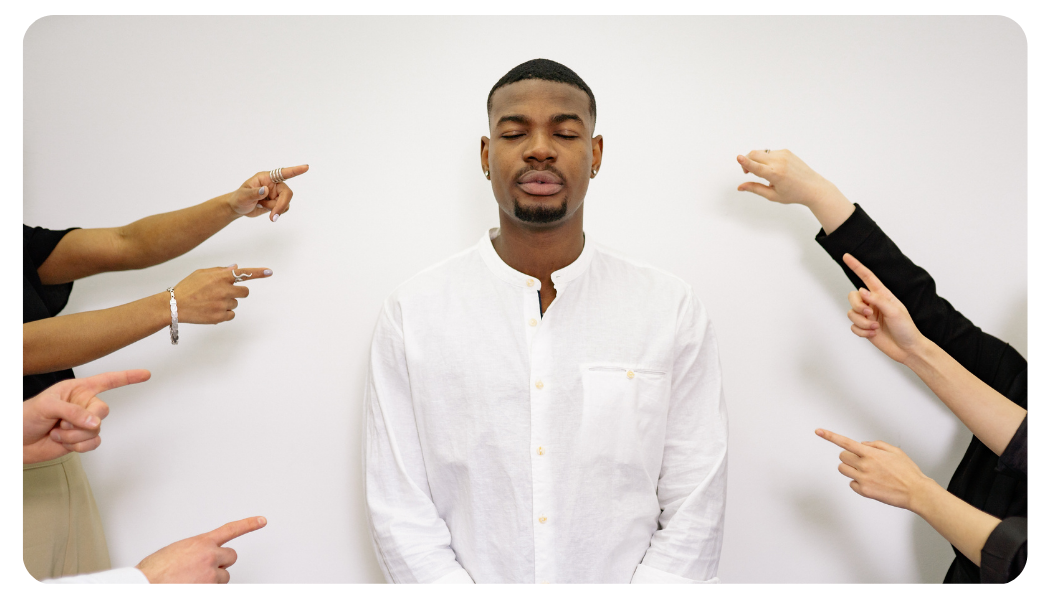
Perception Matters as Much as Reality
One of the challenges of rejection sensitivity is that the emotional response isn't always triggered by actual rejection. Sometimes it is driven by uncertainty or interpretation.
A delayed response to a message, a neutral facial expression, or a change in someone's tone of voice can be interpreted as a sign that something is wrong. Once that possibility enters the mind, anxiety often fills in the missing information with worst-case assumptions.
The emotional reaction feels real because the brain responds to the perceived threat, even when no rejection has actually occurred.
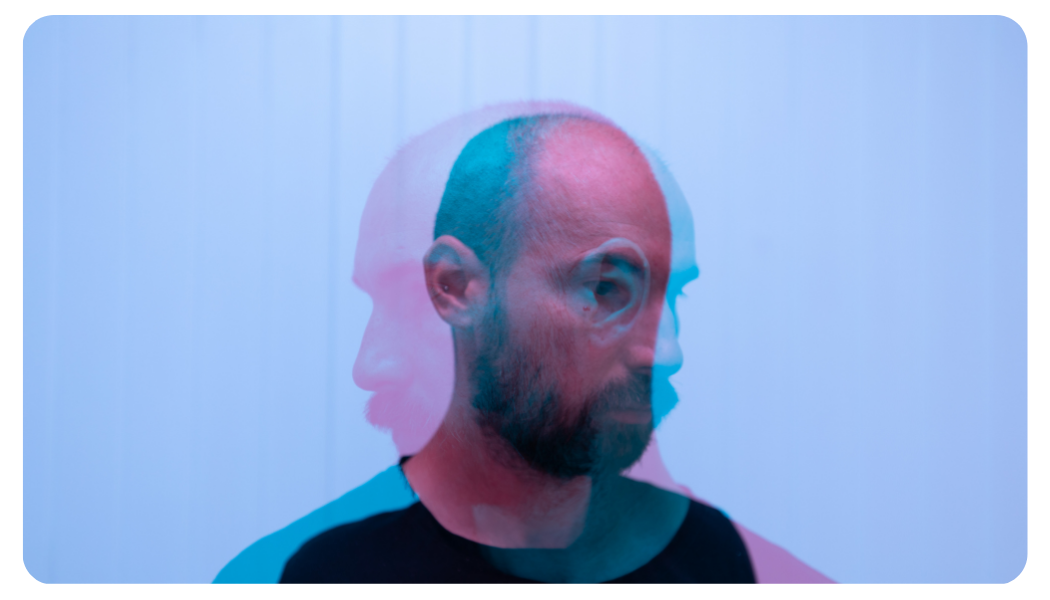
The Connection With ADHD
Many adults with ADHD experience a pattern known as Rejection Sensitive Dysphoria (RSD), characterized by unusually intense emotional reactions to criticism, failure, or perceived disapproval.
Although RSD is not a formal psychiatric diagnosis, it is widely recognized by clinicians as a common experience among individuals with ADHD. Differences in emotional regulation and impulse control may make it more difficult to recover quickly from experiences that feel rejecting.
This helps explain why feedback that others view as routine may feel intensely personal to someone with ADHD.

How Past Experiences Shape Present Reactions
Rejection sensitivity can also develop through life experiences.
People who grew up with frequent criticism, inconsistent caregiving, bullying, emotional neglect, or traumatic relationships may become especially alert to signs of disapproval. Over time, the brain learns to monitor social situations closely in an effort to avoid future emotional pain.
While this heightened awareness may once have served as protection, it can become exhausting when carried into everyday life.

The Role of Social Anxiety
Social anxiety and rejection sensitivity often reinforce one another.
Someone who expects criticism may avoid speaking up, hesitate to meet new people, or spend hours analyzing conversations after they end. This constant self-monitoring increases emotional tension and makes future interactions feel even more stressful.
Ironically, avoiding social situations may reduce anxiety temporarily while preventing opportunities to build confidence and challenge fearful expectations.
When Self-Worth Depends on Other People's Reactions
One of the most difficult aspects of rejection sensitivity is that self-esteem can become closely tied to external approval.
Compliments provide temporary reassurance, while criticism—even when well intended—can feel like evidence of personal failure. As a result, people may become highly motivated to avoid mistakes, keep everyone happy, or seek constant validation.
Over time, this can lead to perfectionism, people-pleasing, and chronic emotional exhaustion.

Building Emotional Resilience
Recovery is not about becoming indifferent to criticism. Feedback and relationships will always matter.
The goal is learning to separate an event from an identity. Receiving criticism does not automatically mean someone is inadequate, and disagreement does not necessarily indicate rejection.
Therapy can help individuals recognize automatic thought patterns, strengthen self-worth, and develop healthier ways of interpreting social situations. For people with ADHD, anxiety, or trauma-related conditions, treating the underlying condition often reduces the intensity of rejection sensitivity as well.
Learning That Not Every Reaction Defines You
One person's opinion, a delayed reply, or an uncomfortable conversation does not determine your value.
As emotional regulation improves, people often notice they recover more quickly from criticism, spend less time replaying conversations, and become more confident navigating difficult interactions.
The goal isn't to eliminate emotional sensitivity. It's to respond with perspective rather than fear, allowing relationships to be guided by connection instead of constant self-protection.