

The “Freeze” Response: Why Some People Shut Down Under Stress
When people think about stress, they usually imagine two responses: fight or flight. Some become angry and confront the problem, while others try to escape it. But there is a third response that receives far less attention—the freeze response.
Instead of reacting with action, the mind and body seem to stop. Thoughts become difficult to organize, words don't come easily, and even simple decisions can feel impossible. Many people describe it as "going blank" or feeling completely stuck despite wanting to act.
This isn't a sign of weakness or laziness. It's an automatic survival response built into the nervous system.

The Brain's Built-In Survival System
The human brain is constantly evaluating whether an environment feels safe or threatening. When it detects danger, the nervous system prepares the body to survive.
If escape seems possible, the body may shift into flight. If confronting the threat appears necessary, it may activate fight. But when neither option feels realistic, the brain may choose a third strategy: freeze.
This response reduces movement, narrows attention, and prioritizes survival over higher-level thinking. While it evolved to protect us from physical danger, the same response can also be triggered by psychological stress.

Why People "Go Blank"
During a freeze response, the brain shifts resources away from areas responsible for planning, reasoning, and decision-making toward systems focused on survival.
As a result, people may suddenly struggle to find the right words, remember information, or think clearly. They often know what they want to say or do but feel unable to access it in the moment.
This explains why someone may freeze during a presentation, an interview, or a difficult conversation—even when they prepared well beforehand.
When Stress Overloads the Nervous System
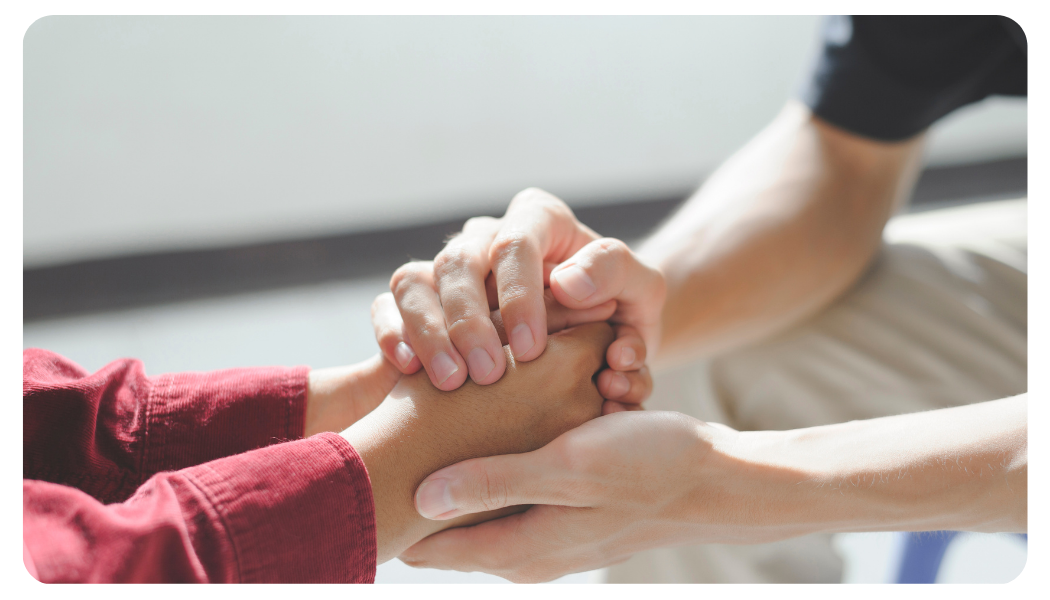
The freeze response is more likely to occur when stress becomes overwhelming.
High-pressure work environments, relationship conflict, traumatic experiences, or prolonged emotional strain can all push the nervous system beyond its ability to cope. Rather than continuing to fight or escape, the brain temporarily reduces activity as a way of limiting further overload.
From the outside, this may appear as indecision, emotional withdrawal, or lack of motivation. Internally, however, the nervous system is working hard to regain stability.

Dissociation: Feeling Disconnected
For some people, intense stress can also lead to dissociation, a temporary feeling of disconnection from thoughts, emotions, surroundings, or even one's own body.
People often describe feeling as though they're watching themselves from the outside, moving through the day on autopilot, or struggling to feel emotionally present. While these experiences can be unsettling, they are often the brain's way of reducing emotional overwhelm during periods of extreme stress.
Not everyone who freezes experiences dissociation, but the two responses can occur together.

Freeze Can Be Misunderstood
Because the freeze response looks passive, it is often mistaken for avoidance, lack of confidence, or unwillingness to participate.
In reality, many people experiencing freeze desperately want to respond. They may want to speak up, make a decision, or complete a task but find themselves mentally immobilized.
Understanding this difference is important because self-criticism often makes the response even stronger.
Trauma Can Increase the Freeze Response
Individuals who have experienced trauma may become more sensitive to situations the brain perceives as threatening, even when no immediate danger exists.
A raised voice, conflict, criticism, or unexpected pressure may activate the same protective response that once helped them survive difficult experiences.
This doesn't mean the person is overreacting. It means the nervous system has learned to prioritize protection based on past experiences.
Helping the Nervous System Recover
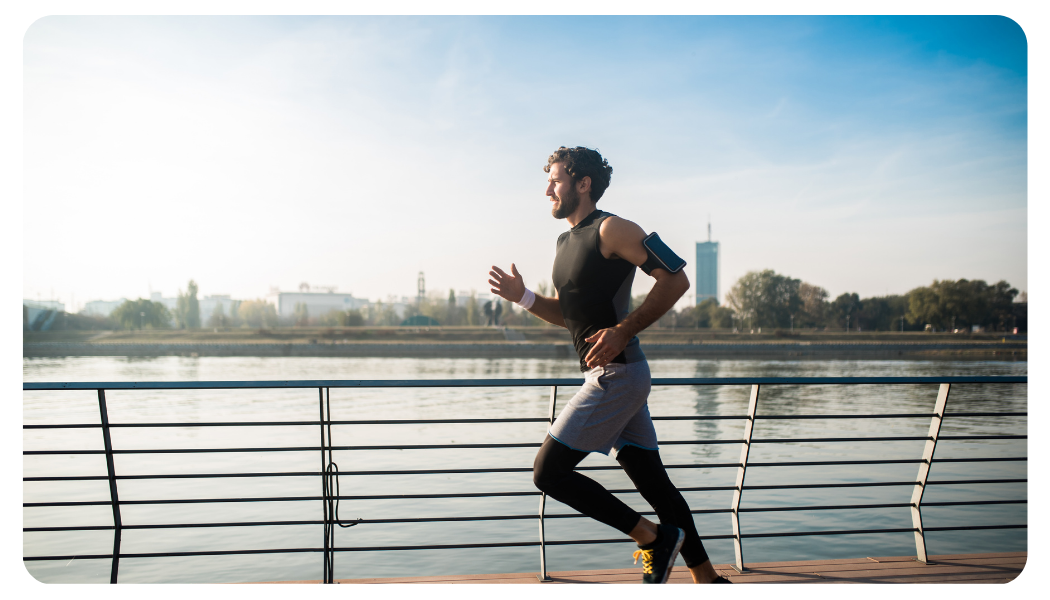
Because the freeze response originates in the nervous system, recovery involves more than simply "thinking positively."
Grounding techniques, slow breathing, gentle movement, and mindfulness can help signal to the brain that the immediate threat has passed. Over time, therapy can help individuals recognize triggers, build emotional regulation skills, and reduce the intensity of automatic stress responses.
For those with trauma-related conditions, specialized approaches such as trauma-focused therapy or EMDR may also be beneficial.
Recovery Begins With Understanding
One of the most powerful steps in overcoming the freeze response is recognizing that it is a biological reaction—not a personal flaw.
Once people understand why their mind seems to "shut down" under pressure, they often become less self-critical and more willing to develop healthier coping strategies.
The goal isn't to eliminate stress completely. It's to help the nervous system respond with flexibility rather than becoming trapped in survival mode.