

Why Change Feels So Difficult: How the Brain Forms and Breaks Habits
Change often feels difficult not because you lack willpower, but because the brain is built to conserve effort. Repeated actions become efficient pathways, freeing attention for everything else you need to do. That efficiency is useful—until an old pattern no longer fits the life you want.
Understanding how habits take shape can make change feel less personal and more practical. Habit loops, the basal ganglia, dopamine, and neuroplasticity all help explain why familiar choices can feel automatic—and why new patterns need time, repetition, and patience to become easier.
Habits Begin as Loops
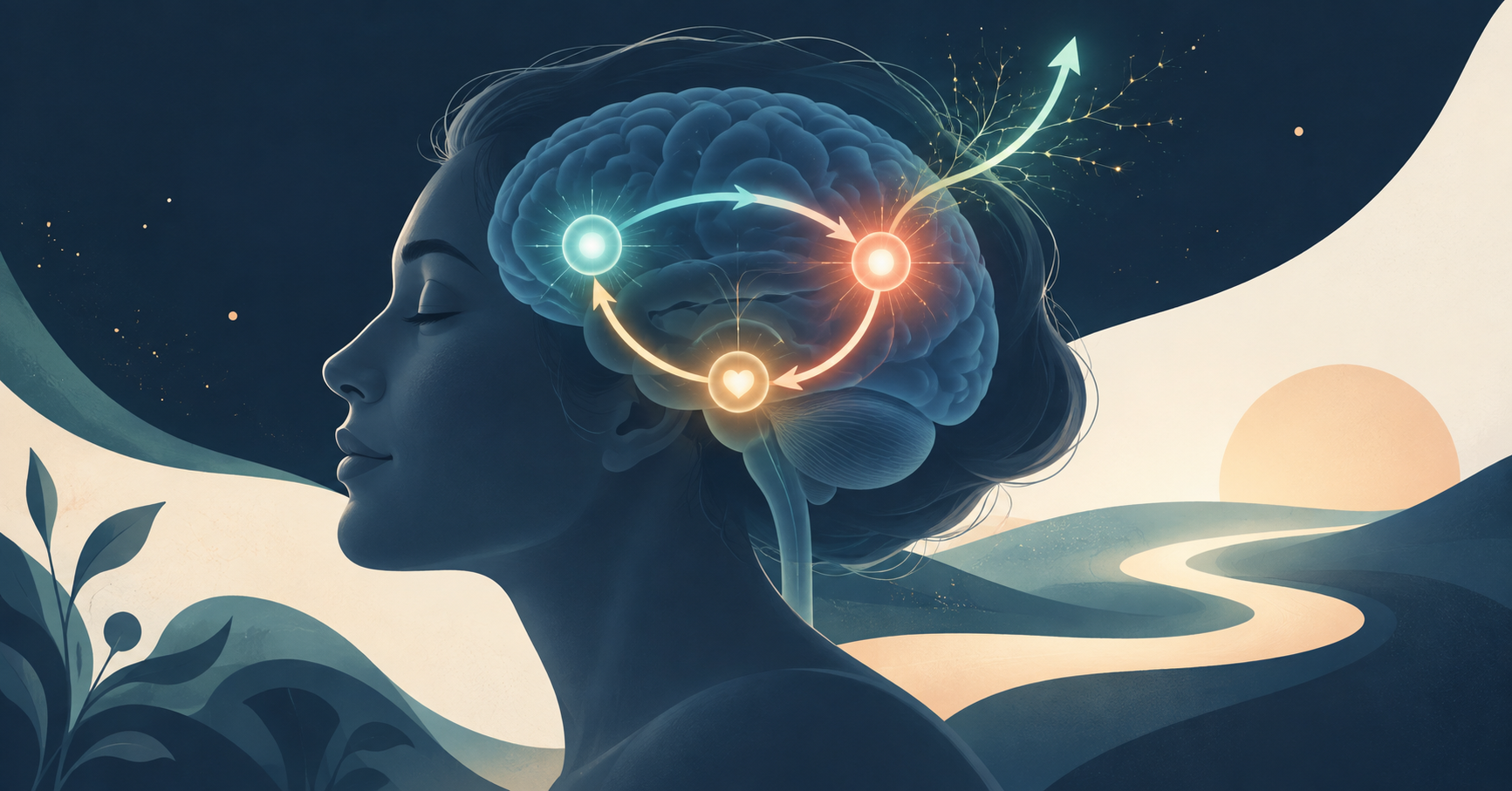
Most habits follow a simple pattern: a cue, a routine, and a reward. A cue might be a time of day, a feeling, a place, or seeing an object. The routine is what you do next; the reward is the small benefit your brain learns to expect.
For example, stress after work can cue scrolling, which briefly offers distraction. The brain is not making a moral judgment—it is remembering a sequence that once brought relief. Seeing the loop clearly creates room to change one part of it.
The Basal Ganglia: The Brain’s Autopilot
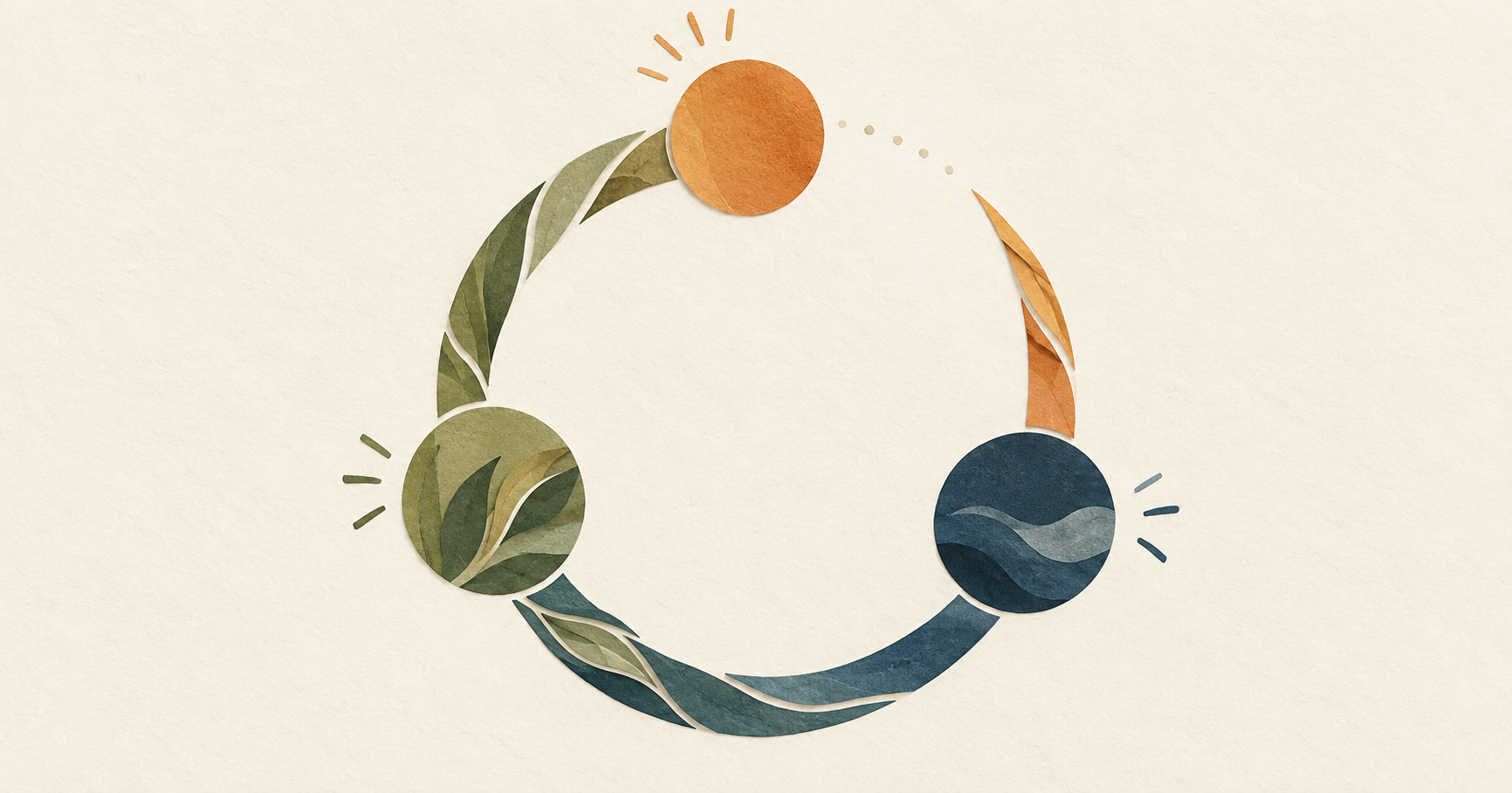
As a behavior becomes familiar, the basal ganglia help run it with less conscious effort. This group of structures supports routine learning and helps shift repeated actions from deliberate decisions toward something that feels automatic.
That is why you may find yourself taking the same route home or reaching for a snack before you have fully decided to do so. Automaticity is not a flaw; it is an energy-saving feature. Changing a habit asks the brain to bring attention back to something it has learned to do in the background.

Dopamine Is More About Learning Than Pleasure
Dopamine is often described as the brain’s “pleasure chemical,” but it also plays an important role in motivation, attention, and learning what to repeat. When a cue predicts a rewarding outcome, dopamine signals can make that cue more noticeable and compelling next time.
The reward does not have to be dramatic. A sense of relief, connection, completion, or comfort can be enough to reinforce a routine. This is why simply telling yourself a habit is “bad” often does not break the pattern—the brain may still expect the reward it has learned to seek.

Why Familiar Patterns Feel So Powerful
Old habits have the advantage of repetition. They are linked to particular emotions, places, people, and times of day, so the brain can activate them quickly when a familiar cue appears. During stress, fatigue, or overload, the mind often leans even more heavily on what is known.
That does not mean lasting change is impossible. It means that difficult moments are poor proof of your character. They are often the moments when a well-practiced pathway is doing exactly what it was built to do.

Neuroplasticity Makes Change Possible
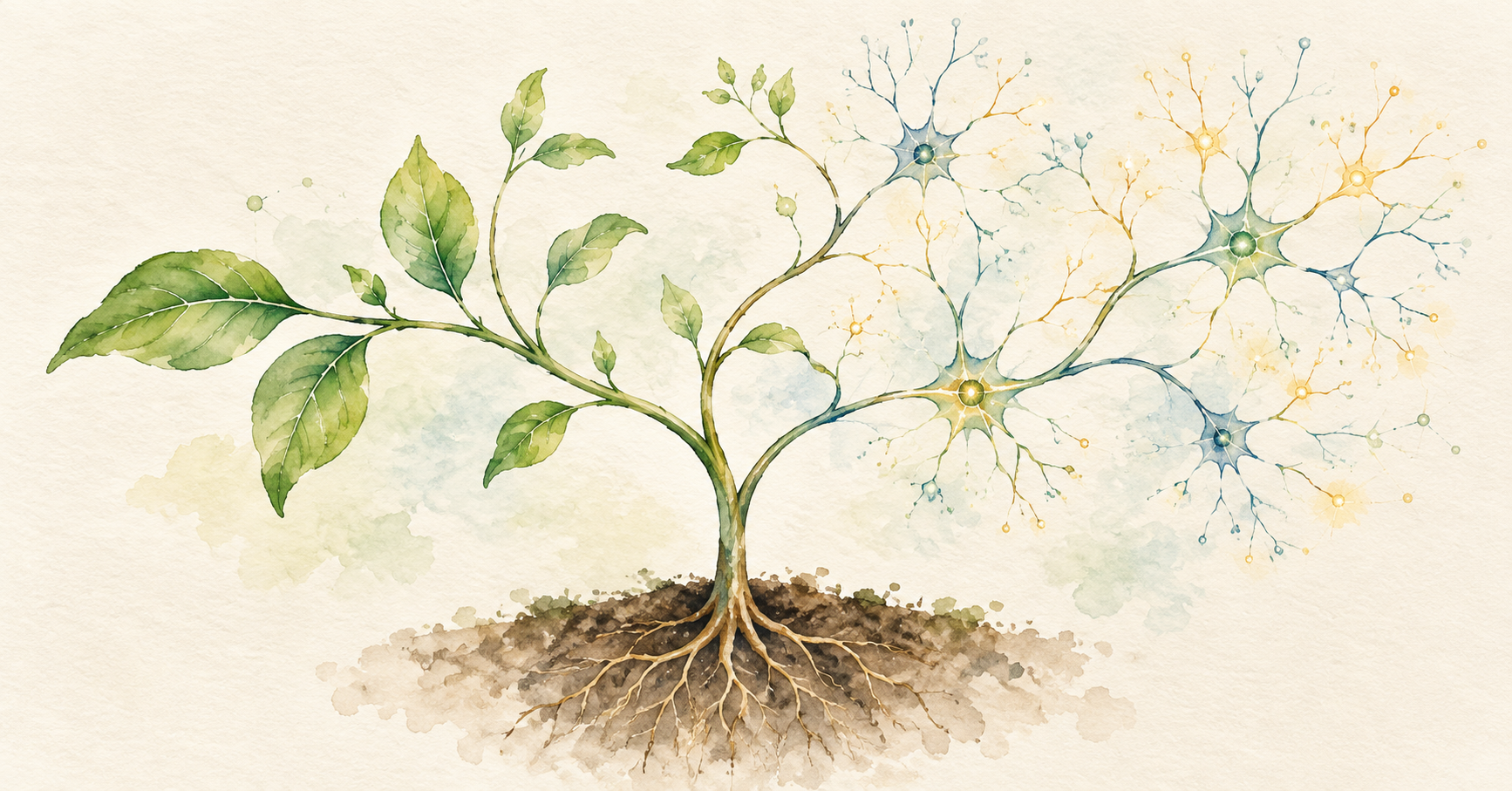
Neuroplasticity is the brain’s ability to adapt in response to experience. Every repetition of a new response gives the brain more information about that pathway. Over time, the new pattern can become more efficient and more available when the familiar cue appears.
Plasticity is not an overnight reset. It is shaped by repetition, emotion, sleep, stress, environment, and support. The goal is not to erase every old pathway but to make a helpful alternative easier to access.
Why Change Can Feel Uncomfortable
A new behavior can feel awkward or effortful because it requires attention before it becomes familiar. You may be asking the brain to pause where it used to react, or to tolerate a feeling that an old habit quickly softened. That discomfort is often part of learning, not a sign that the change is wrong.
Small Repetition Builds a New Path
Lasting change is usually built from actions that are small enough to repeat. Rather than trying to overhaul everything at once, choose one clear behavior and connect it to a reliable cue. A two-minute walk after lunch, one glass of water when you wake up, or placing a journal beside your bed can be a meaningful start.
Consistency matters more than intensity at the beginning. Each repeat is a quiet vote for the pattern you want to strengthen, even when it feels ordinary.
Make the Helpful Choice Easier
Environment can support change before willpower is needed. Put a helpful option where you will see it, reduce friction around the action you want to take, and add a pause around the behavior you are trying to change. Designing the moment is often kinder and more effective than relying on self-criticism.

Progress Is Not a Straight Line
Slipping into an old habit does not erase the practice that came before it. Setbacks can show you which cues are strongest and where you may need more rest, structure, or support. A useful question is not “Why did I fail?” but “What was this habit trying to do for me in that moment?”
Change tends to look more like returning than perfect performance. Noticing, resetting, and trying again are all part of the process of building a different response.
When Support Can Help
Some habits are closely tied to anxiety, depression, trauma, substance use, disordered eating, or other concerns that can be difficult to manage alone. A qualified mental health professional can help you understand the pattern, set realistic goals, and develop strategies that fit your circumstances.
If a behavior is affecting your health, relationships, work, safety, or daily life, reaching out for support can be a strong next step. You do not have to wait until a pattern feels unmanageable to ask for help.